
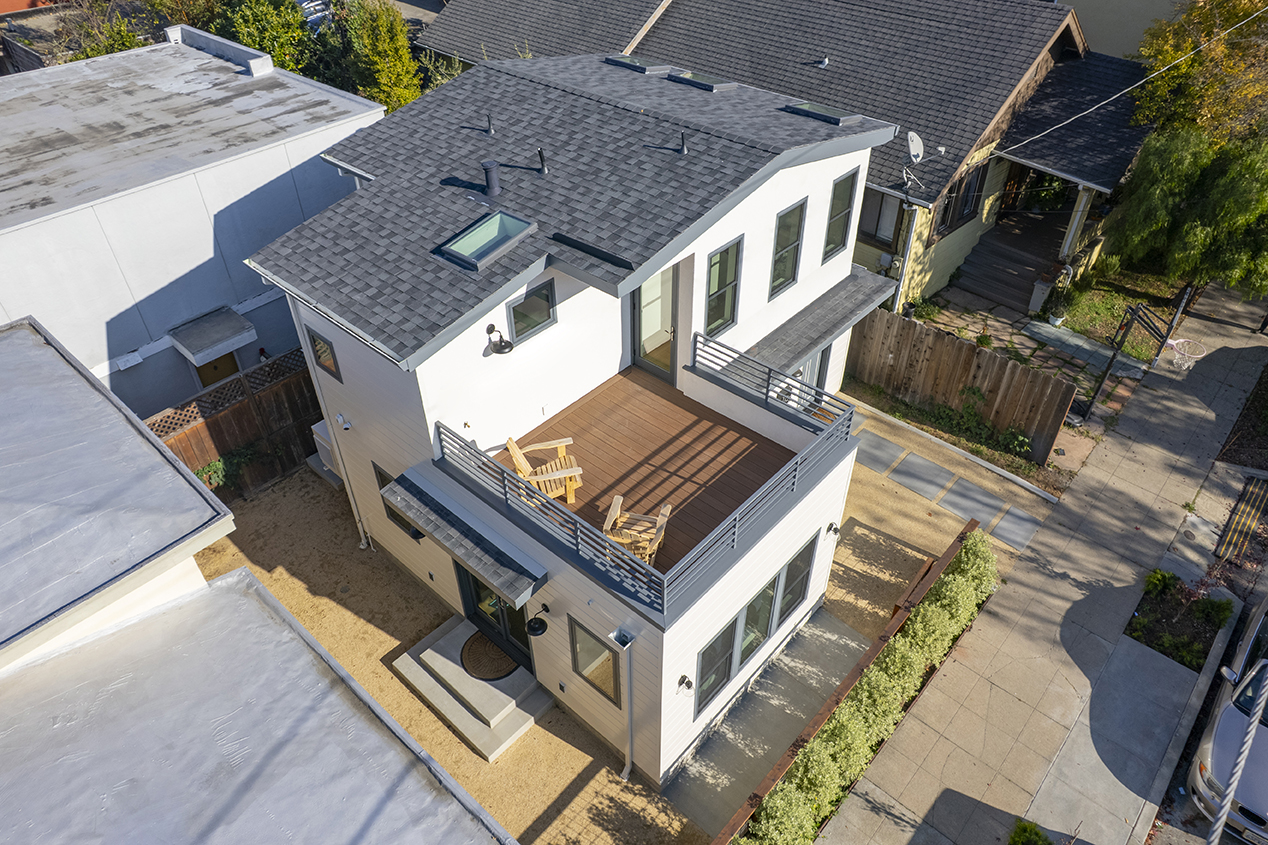
California’s 2025 housing laws represent some of the most significant refinements to small-scale infill policy since the original ADU reforms. These updates strengthen ministerial approval pathways, expand opportunities for fee-simple starter homes, and broaden the role of ADUs in multifamily housing.
This guide outlines the four bills we have used most extensively - SB 9, SB 684 / SB 1123, and SB 1211 - and explains how they shape the path forward for homeowners, small developers, and communities seeking well-designed housing densification opportunities. Please note, the below is meant to be a broad introduction to this set of housing laws, but we advise booking a call with our team to discuss local-level nuances and lot-specific feasibility for any projects.

California’s 2025 housing laws mark a major shift toward by-right, small-scale infill, unlocking new pathways for gentle density, starter homes, and expanded ADU capacity.
SB 9 is California’s core “lot-split” tool for enabling homeowners to create more ground-up housing while gently densifying single-family neighborhoods. It provides two ministerial pathways: the two-unit development path (no split) and the urban lot split path, both exempt from CEQA and reliant only on objective standards.
Key Eligibility and Demolition Rules
If the goal is to eventually split and/or sell one of the lots, it is generally advantageous to construct the second dwelling as an SB 9 duplex, not an ADU, even if you conduct the lot split in a later phase. ADUs are regulated differently and are not always transferable as separate fee-simple properties, whereas SB 9 units are.
SB 684 and SB 1123 work together to create California’s first cohesive, ministerial framework for small-lot, fee-simple starter homes. They significantly expand the infill toolkit by enabling up to 10 primary homes on qualifying parcels without hearings or CEQA.
SB 684 applies to multifamily-zoned parcels and creates a streamlined path for small-lot subdivisions where all of the following are true:
Eligible Parcels
Subdivision + Unit Standards
SB 684 enables cottage clusters, compact rowhomes, and other small-lot configurations that previously required complex entitlements.
SB 1123 mirrors the structure of SB 684 but applies it to a different type of site.
SB 1123 follows all the same stipulations as SB 684 EXCEPT:
1. Parcel Type
2. Minimum Lot Size
3. ADU Treatment
4. Existing Conditions Requirements
Together, the bills create a reliable, by-right pathway for small, fee-simple homeownership opportunities on both multifamily-zoned and vacant single-family parcels. This is one of California’s most significant steps toward scalable, gentle-density housing that aligns with neighborhood character and expands access to homeownership.
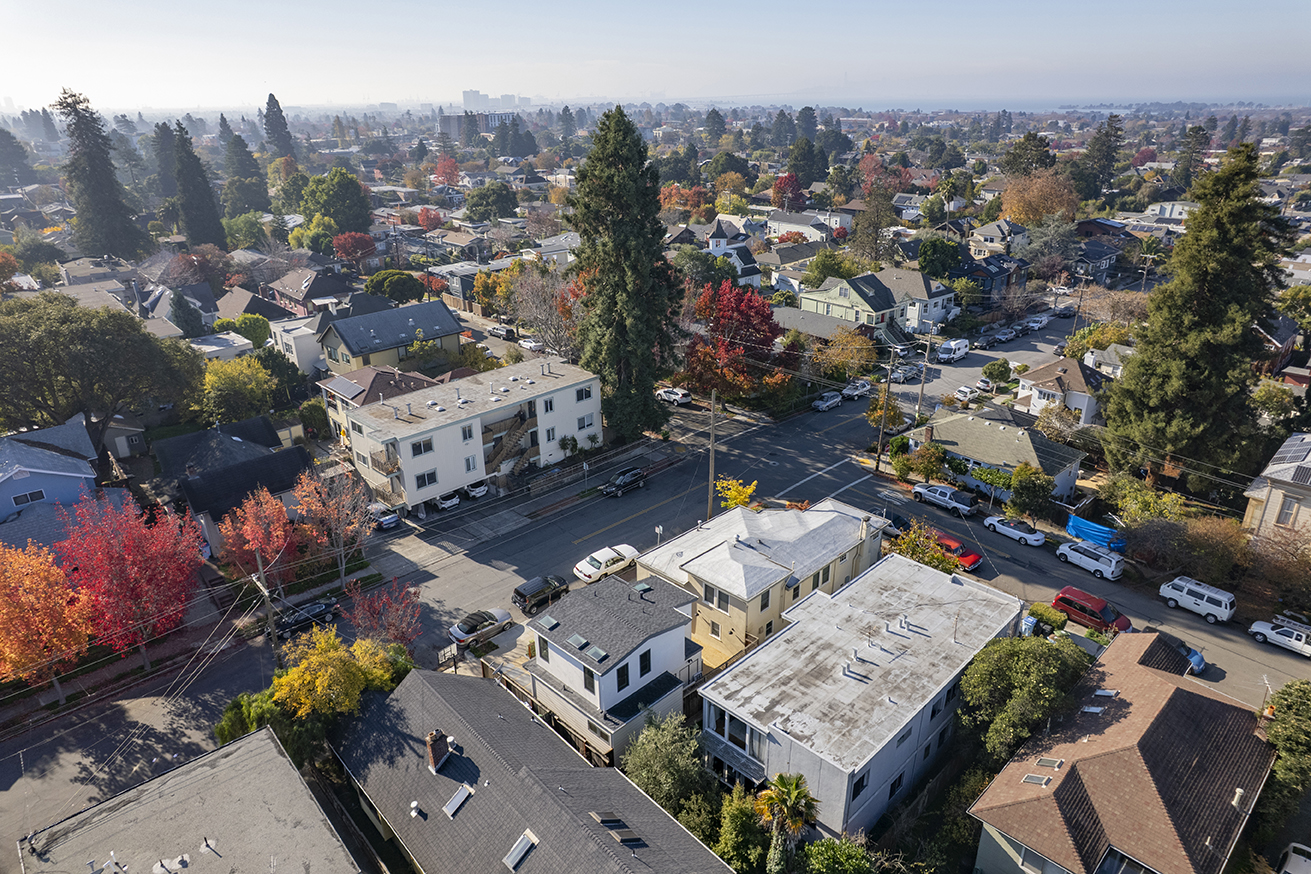
SB 1211 updates statewide ADU law by significantly increasing the number of ADUs allowed on parcels with existing multifamily buildings. Key changes include:
At Inspired ADUs, we translate State housing legislation into buildable, beautiful, and financially grounded projects. Our work spans:
Whether you’re a homeowner exploring possibilities on your lot, a small developer evaluating sites, or a jurisdiction shaping policy, our team can help assess what these laws enable and how to put them into practice.
Get in touch with our team to discuss your next project or talk about these regulations in more detail!
.svg)


